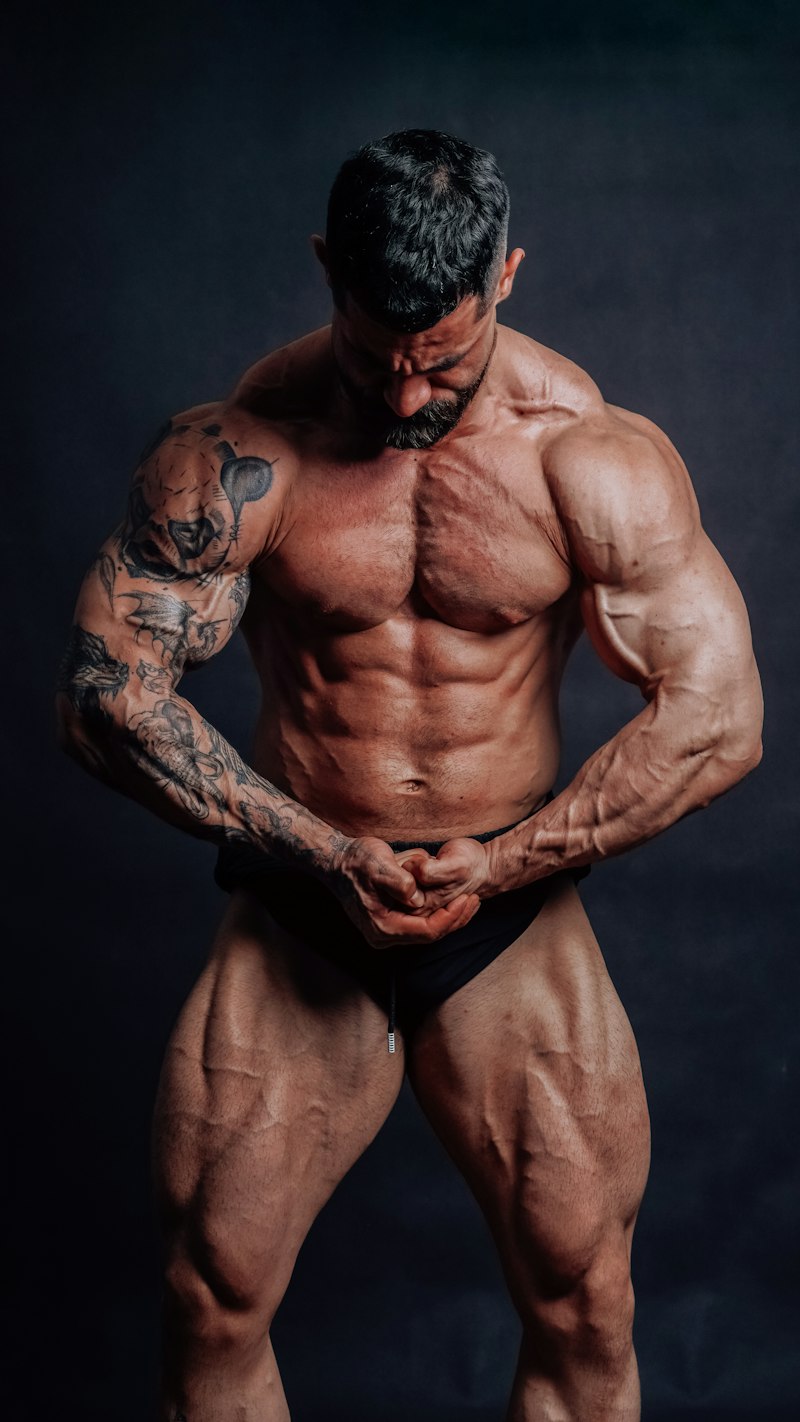
Mastering the Front Pose: NPC Championship Tips
Introduction
The front pose is one of the most critical posing elements in NPC competitions. It's where judges get their first impression of your physique and conditioning. In this guide, we'll break down exactly how to nail the front pose and score maximum points.
The Basics
The front pose consists of several key elements that judges evaluate:
- Chest separation and fullness
- Shoulder width and roundness
- Ab conditioning and shape
- Quadriceps separation and shape
- Overall symmetry and balance
Step-by-Step Technique
Feet Positioning
Start with your feet about hip-width apart, with toes pointing slightly outward. Your weight should be distributed evenly across both feet.
Chest and Shoulders
Pull your shoulders back and down, expanding your chest. Flex your pectorals hard while maintaining relaxed arms at your sides. This creates maximum width and definition.
Abs and Midsection
Maintain a vacuum by pulling your abs in slightly. This shows off your conditioning without making you look flat. Contract your abs moderately to show the separation between your muscle groups.
Legs
Flex your quads hard to show the separation between each muscle group. Stand with confidence and poise.
Common Mistakes
Avoid these common errors that cost competitors points:
- Over-flexing and looking stiff
- Dropping your shoulders forward
- Shifting weight to one leg
- Over-tightening your midsection
- Poor eye contact and presentation
Practice Tips
Use PoseMaster Pro to practice your front pose daily. The AI feedback will help you identify weak points and track your improvement over time. Compare your posing to successful competitors in your division.
Conclusion
Mastering the front pose takes practice and dedication, but with consistent work and proper technique, you'll be scoring high marks from judges in no time.
Comparte este artículo:
Artículos relacionados
¿Listo para perfeccionar tu postura?
Usa PoseMaster Pro para analizar tu técnica con retroalimentación impulsada por IA.
Comienza a analizar tu postura